


Lindemann Silikon GmbH & Co.KG
Extrusion of silicone products
The Specialist in silicone
CALL NOW

By loading the map, you accept Google’s privacy policy.
Learn more
We support companies from various industries with customized silicone solutions. Send us your inquiry now – we'll get back to you quickly.
Over 550 companies from medical, food and automotive industries already trust us.

Lindemann Silikon GmbH & Co.KG
The Specialist in silicone
CALL NOWSilicone co-extrusion is a process that combines the versatile material silicone with the advanced technique of co-extrusion. But what exactly does that mean? Simply put, extrusion is the process of pushing a material through a shaped opening or die to form it. Co-extrusion, on the other hand, combines multiple materials into a single product. When these two methods are used together, it leads to the production of unique and complex silicone products through the process of silicone co-extrusion. Let’s dive deeper into the world of silicone co-extrusion and see what we can offer you.
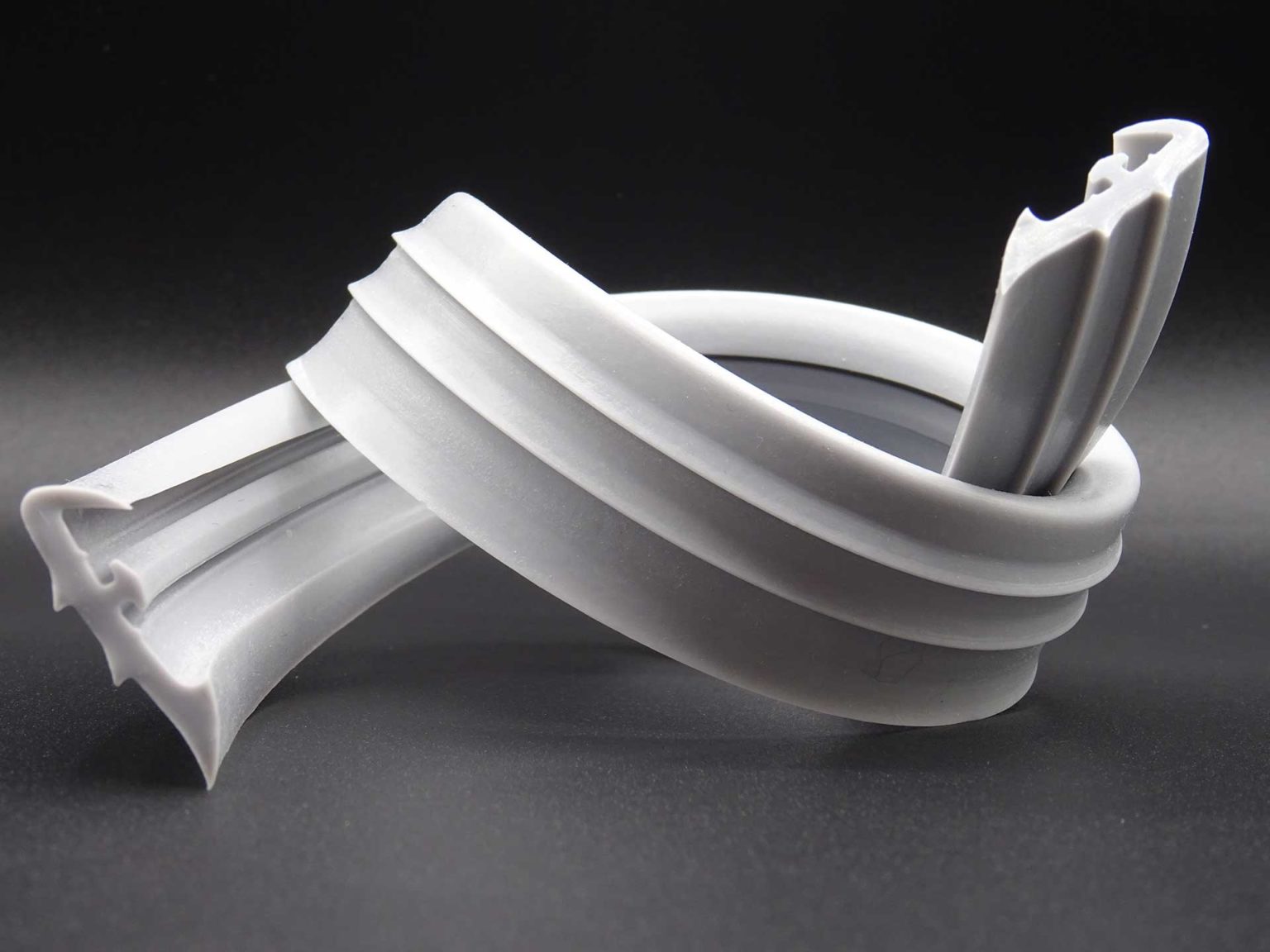
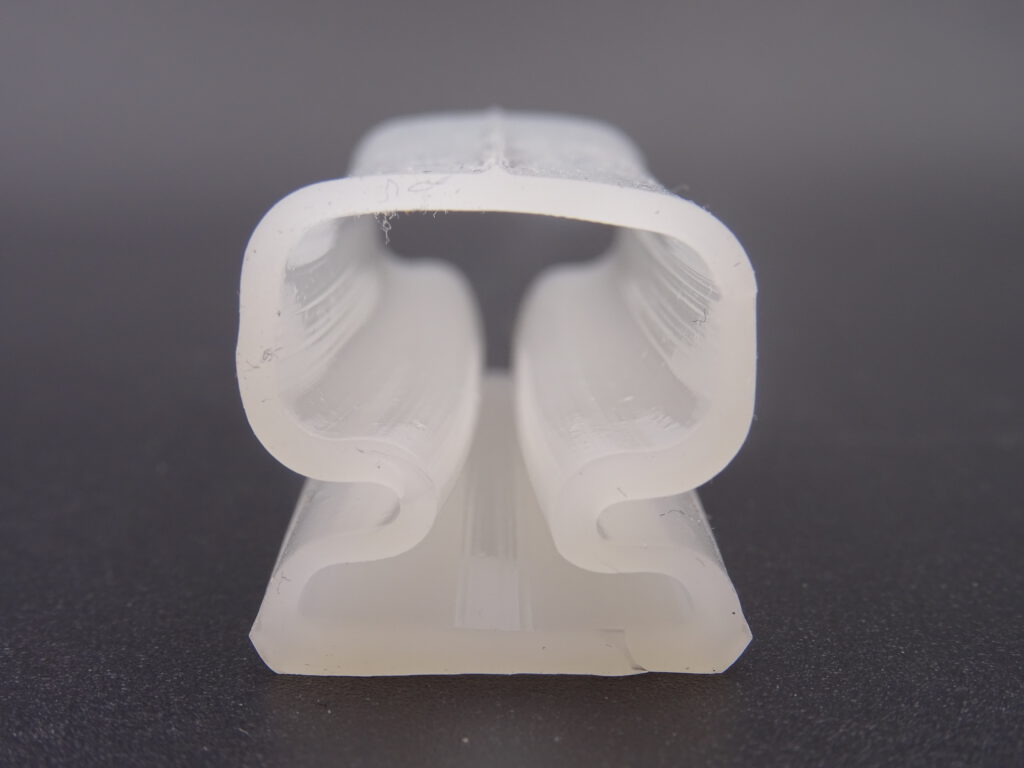
Extrusion is a crucial manufacturing process where silicone is pushed through a specially designed mold or die. This process shapes the silicone into various forms such as tubes or profiles. The specific shape of the final product depends on the design of the die, demonstrating the inherent adaptability and versatility of the extrusion process. Extrusion thus enables manufacturers to efficiently produce a variety of uniform, high-quality silicone products.
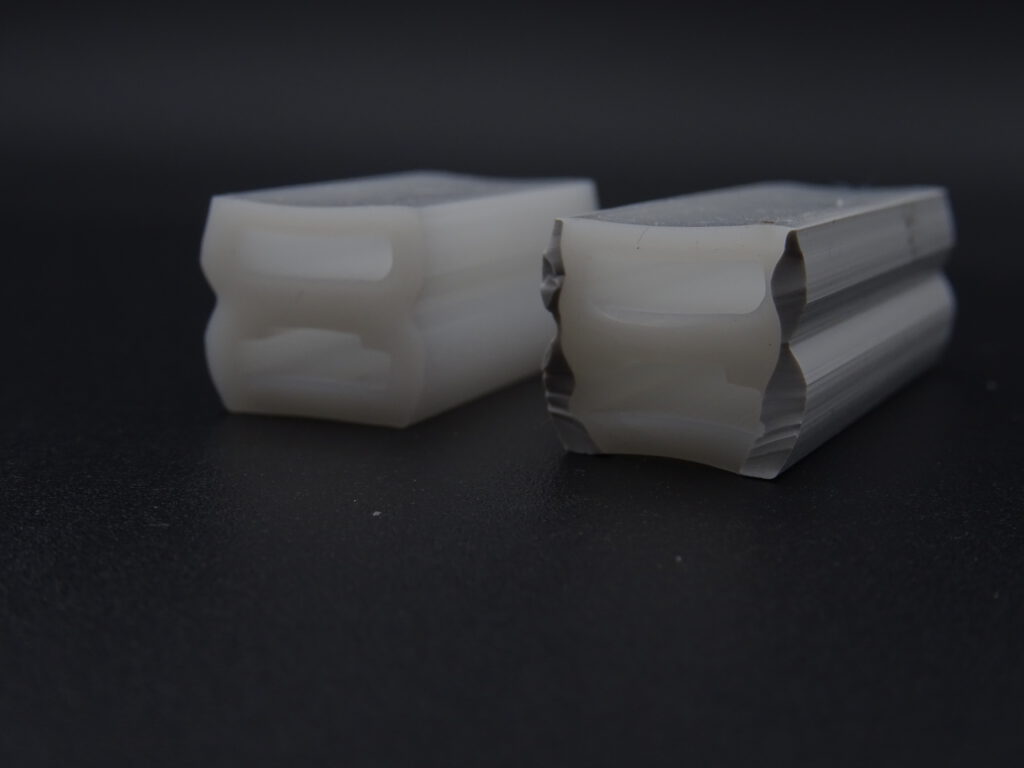
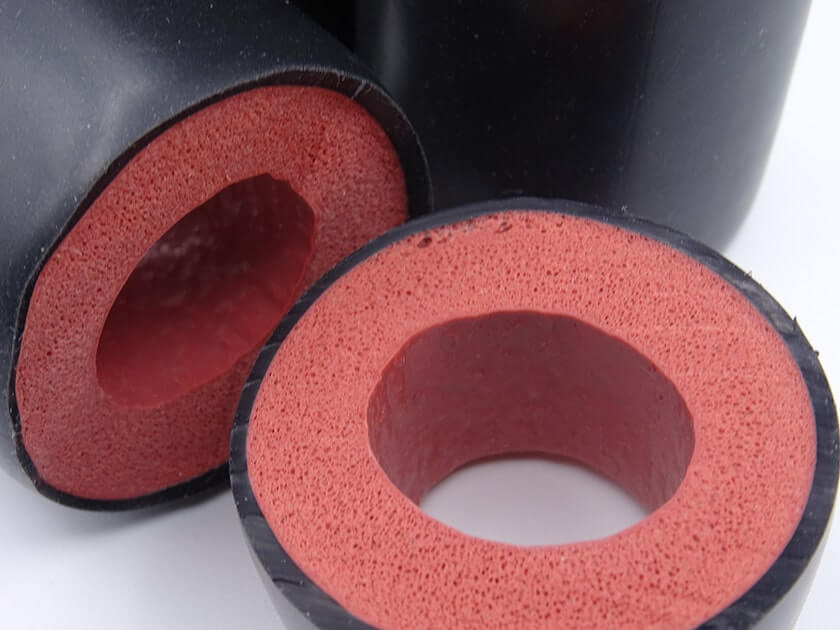
Co-extrusion is an advanced technique based on extrusion. In this method, two or more different materials are extruded through a single die to create a multi-layered product. Co-extrusion utilizes the unique properties of each silicone type, creating a final product that combines the advantages of each. Instead of just forming one type of silicone, co-extrusion merges different types into a single one. The final product therefore exhibits a blend of advantageous properties, enhancing its functionality and usefulness. Essentially, co-extrusion not only boosts the potential of silicone products but also pushes the possibilities of mechanical engineering to new heights.
Different types of silicone are fed into separate hoppers to begin the co-extrusion process. These materials then undergo a precisely controlled heating process and are then extruded under controlled pressure through a single die. This precise process enables the homogeneous linking of different silicone types, resulting in a multi-layered end product. The material blend can be customized to leverage the desired properties of each silicone type. In this way, co-extrusion creates products that exhibit a combination of advantageous properties, such as increased strength, improved durability, or resistance to specific environmental influences.
The versatility of the co-extrusion process opens up a wealth of possibilities for manufacturing high-performance silicone products. It paves the way for the development of a variety of components used in various industries.
For example, the automotive industry relies on co-extruded silicone parts such as seals and profiles for improved functionality and durability.
In the field of medical technology, co-extrusion has played a crucial role. It is instrumental in the manufacture of essential devices such as catheters, which require the fusion of different silicones for optimal performance and patient safety.
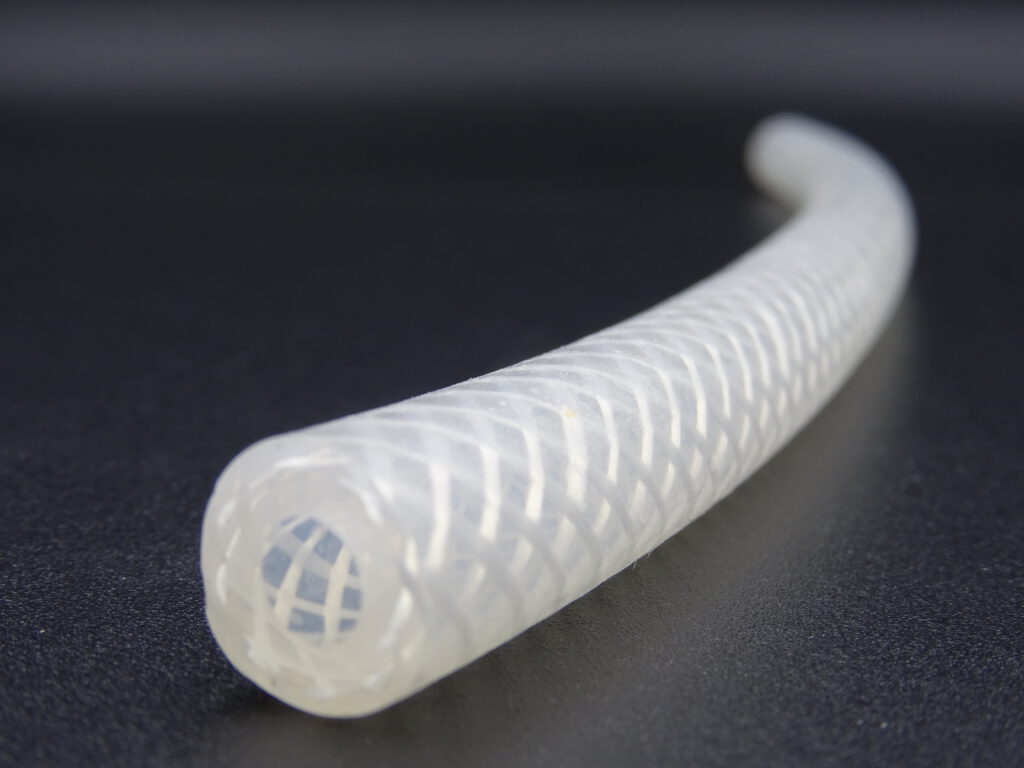
Industrial applications also benefit significantly from co-extrusion. Examples include silicone hoses, profiles, and fabric hoses.
For your specific silicone co-extrusion requirements, our experienced team is ready to assist you. We pride ourselves on offering customized solutions that balance efficiency, quality, and performance. Our commitment extends throughout the entire process, from the earliest design stages to the final production phases. Contact us today to discover the diverse ways our first-class co-extrusion capabilities can enrich your project.
Leave us a message, we will get in touch with you!
By loading the map, you accept Google’s privacy policy.
Learn more